
Midwest hail damage · John Beal Roofing since 1947
Spring Storm Roof Prep Before Hail Season
The easiest hail claim is the one where you already know what the roof looked like before the storm. This is the prep worth doing in March, while the ground thaws and crews still have open days.
Short answer
To get a Midwest roof ready for spring storm season, book a documented inspection before the first severe weather, photograph every side of the house and its soft metals from the ground, clean the gutters and downspouts, trim limbs that hang over the roof, fix small flashing and sealant problems while they're cheap, and read how your policy writes the wind and hail deductible. A dated record of the roof's condition is the most useful thing you can own when a carrier later asks whether damage is new.
The baseline file nobody thinks to make
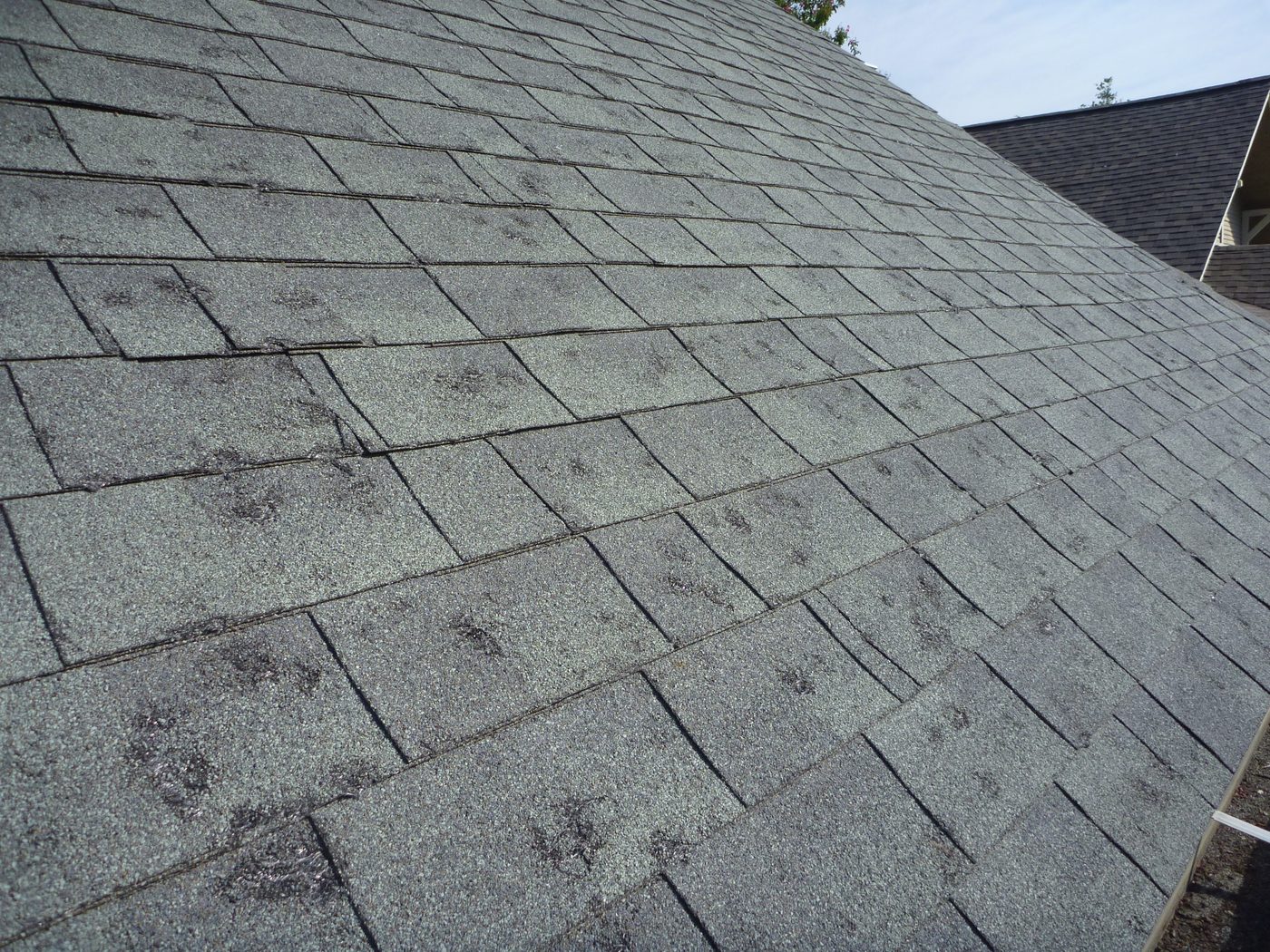
A lot of hail disputes come down to one question: was this damage there before the storm? If you can't answer it, the adjuster's guess wins. A baseline is a set of dated photos of each roof slope, the ridge, the vents, the gutter faces, the downspouts and the AC condenser, taken on a clear day before storms start. Your phone handles the ground-level shots fine. Our free inspection adds on-roof photos and a written note of existing wear, which is exactly what you want in a drawer when a May storm comes through and somebody starts calling fresh bruises old granule loss.
Gutters and downspouts in March
Winter leaves gutters packed with leaves, shingle grit and the occasional hanger bent by ice. Clean them out and run a hose through every downspout. There are two reasons. Water that backs up in a hard spring downpour works under the first course of shingles and into the fascia board. And a clean gutter keeps later evidence readable, since a fresh wash of granules after hail means something only if the trough wasn't already half full. Our page on granules in gutters after hail explains what a deposit does and doesn't prove.
Trees that are going to end up on the roof
Every spring squall line drops limbs, and the ones that cause real damage were usually dead or split the autumn before. Walk the yard and look up. Branches hanging within about ten feet of the roof, limbs with no buds coming, and trunks leaning toward the house all deserve an arborist's visit. A branch resting on the shingles also scrubs granules every time the wind moves it, and an adjuster will later write that off as wear. Trimming costs far less than a deck repair. It's also work a roofer shouldn't be doing, so hire an insured tree service.
Small fixes that stop being small in May
A cracked pipe boot, a nail backing out of a ridge cap, a dried bead of sealant around a chimney's counter-flashing. None of them leaks much in February. Add wind-driven rain and they will. Fix them before the season while it's a short service call. We'll also give you the straight version when a roof is near the end of its life. Patching a twenty-two-year-old roof every spring is money better saved toward a replacement, and we won't sell a repair we expect to fail by August. Our guide to hail damage versus normal wear shows how we separate aging from storm damage on the same slope.
Read the policy before you need it
Pull out the declarations page and find two lines. The first is how the wind and hail deductible is written. Many Plains-state and western Midwest policies use a percentage of dwelling coverage rather than a flat amount, so a 2 percent deductible on a home insured for $300,000 works out to $6,000, which changes whether a small claim is worth filing at all. The second is whether the roof is settled at replacement cost or actual cash value, because some carriers write older roofs on a depreciated basis. If a claim worries you because of the premium, our page on whether a hail claim raises your rate covers that too.
Choosing impact-resistant shingles ahead of time
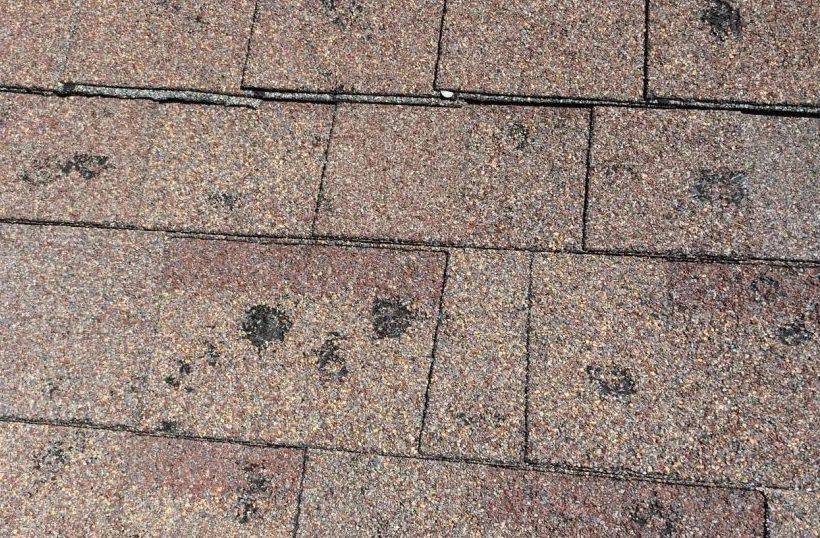
If the roof is due for replacement anyway, the weeks before storms start are the time to price Class 4 shingles. They carry a UL 2218 impact rating, and most carriers in hail country give a premium credit for them. The size of that credit varies by company and state, so get the real number from your agent before deciding. A Class 4 roof isn't hail-proof. It raises the size of stone it takes to fracture the mat. Our impact-resistant shingles page goes through the trade-offs.
A routine for once the storms start
Keep it short. After any storm loud enough to hear stones on the roof, walk around the house and look at the gutters, downspout elbows, window screens and the top of the AC unit, then photograph what you find with the date showing. Our after-storm checklist covers what's safe to check from the ground. Stay off the roof itself. If something looks off, call 1-800-564-6232 and we'll set up a free inspection. Peak months shift by state, and our hail season by state page shows when your area usually gets hit.
What we won't push in the spring
Spring is when some outfits run pre-storm sales on full replacements for roofs with years left in them. We don't. If your roof is sound, the prep visit ends with photos, a short list of small fixes and nothing to sign. That record will matter more than any sales pitch the first time stones start bouncing off the patio.
Frequently asked
What's the best month for a pre-season roof inspection?
March and early April work for most of the Midwest. The snow is gone, temperatures are workable and the first severe weather usually hasn't arrived. Farther north, late April is fine. Book it before the first storm, not after.
Does a pre-season inspection cost anything?
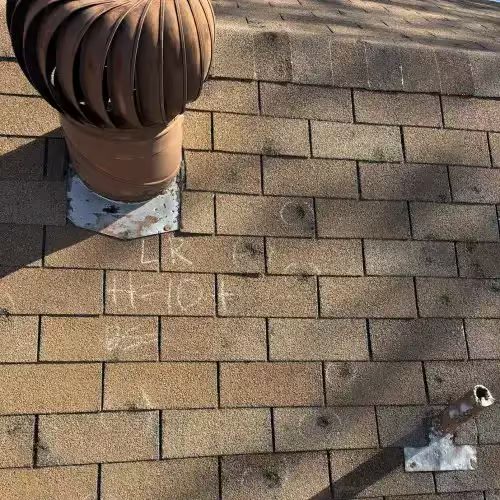
No. It's the same free inspection we do after storms. We walk the roof, photograph each slope and the metals, and note existing wear. You keep the photos and the notes.
Should I file for older damage found during the spring check?
That depends on when the damage happened and how your policy handles reporting. Most policies require prompt notice, and the window on an older storm may already be closing. Our hail claim deadline page explains how those limits work.
Is it worth putting on gutter guards before storm season?
Guards cut down on clogs, which helps in heavy spring rain. They also dent in hail like any thin metal, so expect them to be part of a claim if a big storm hits. If the roof is close to replacement, add them after the new roof goes on.
Can I take the baseline photos myself?
Yes, from the ground. Shoot every side of the house, the gutters, downspouts, window screens and AC unit on a clear day, and keep the original files so the date data survives. Leave the on-roof photos to someone with fall protection.
Related reading
Free Hail Damage Inspection
No cost, no obligation, and you get the photographs either way.
Free inspection, documented for your claim.
Call one number from any of our forty Midwest metros and a live dispatcher answers, day or night.