
Midwest hail damage · John Beal Roofing since 1947
Ice and Water Shield: Where Code Requires It and Where It Just Makes Sense
A sticky membrane at the bottom edge of the roof decides whether a February ice dam stays outside or drips into your living room. On a hail replacement, it's worth knowing exactly how much of it you're getting.
Short answer
Ice and water shield is a self-adhering rubberized asphalt membrane applied straight to the roof deck in leak-prone spots. The International Residential Code requires an ice barrier on asphalt-shingle roofs wherever there's a history of ice forming at the eaves, running from the eave edge to at least 24 inches inside the exterior wall line, and most northern Midwest jurisdictions adopt that rule. Past the code minimum, it belongs in valleys, around chimneys and skylights, and along sidewalls, where water collects or flashing meets the roof.
Why a self-sealing membrane behaves differently
Felt and synthetic sheets get nailed down and shed water downhill. This membrane is sticky on the back. You peel a release film, press it onto bare decking, and it bonds. The property that matters is what happens around a nail driven through it: the rubberized asphalt grips the shank, so water sitting on top can't follow the fastener into the wood.
Across most of a roof, water is moving. At the eaves in January, or in a valley during a cloudburst, it sits or backs uphill. A membrane that seals itself around fasteners is the only underlayment built to handle standing water.
The eave rule in plain numbers
Under the IRC, the ice barrier starts at the lowest edge of the roof and climbs the slope until it's at least 24 inches past the inside face of the exterior wall. Picture the line on your attic floor where the wall stands. The membrane has to reach two feet beyond it, measured level.
On a house with a deep overhang or a shallow pitch, one standard 3-foot roll often falls short, so a second course goes on above the first. We measure overhang and pitch at each eave rather than assuming a single roll will do. Local building departments can amend the requirement, and some Midwest towns ask for more. We pull the permit and build to what the inspector in that town enforces.
Ice dams, and why hail makes them worse
Heat escaping from the living space warms the upper deck. Snow up there melts, trickles down to the cold overhang and refreezes. Repeat that for a week and there's a ridge of ice along the gutter line with a pool of meltwater behind it. That water works under the shingle laps, which were never designed to hold back a pond. With no membrane underneath, it ends up in the soffit, the wall cavity or the ceiling below.
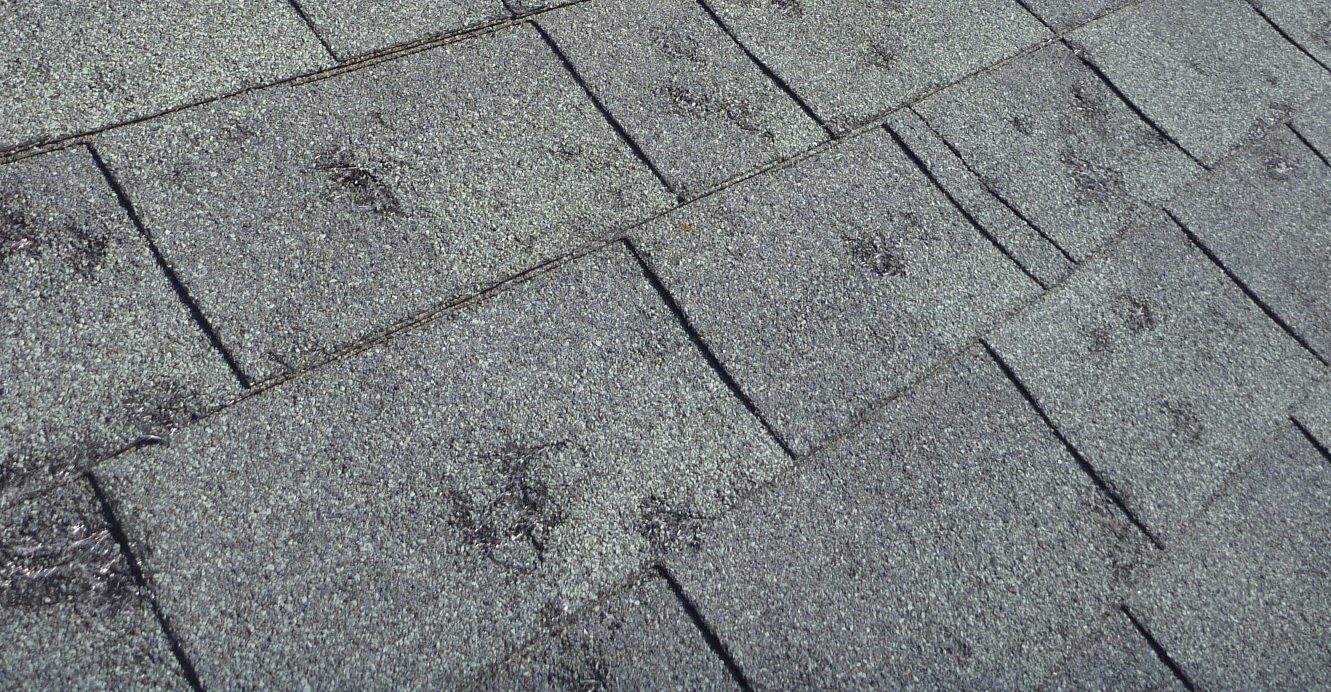
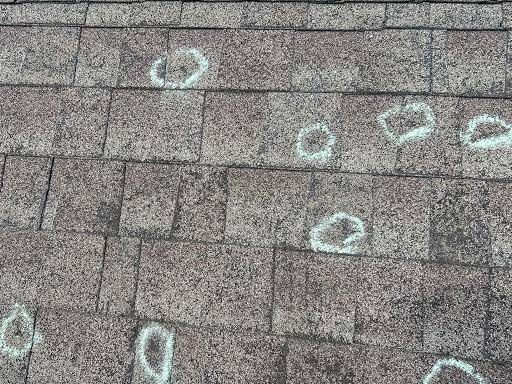
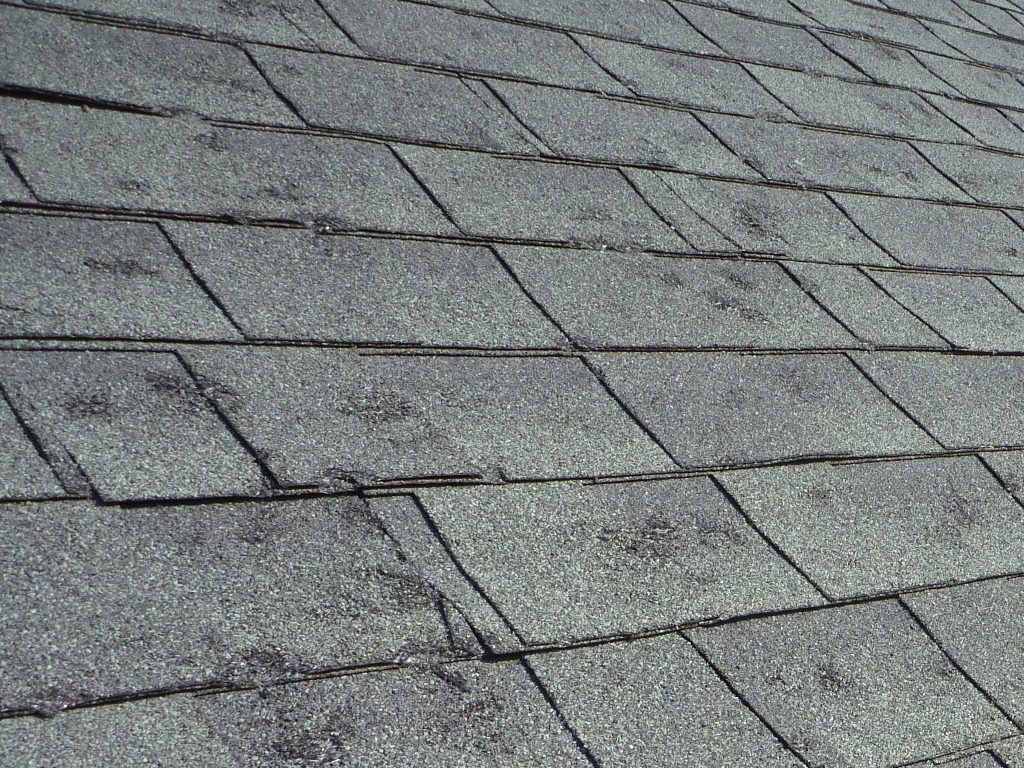
A shingle with a fractured mat lets ponded water through faster. It's part of why a roof bruised in a May storm sometimes shows its first stain the next February. The cold-weather side gets more room on our winter roof damage page and the one on freeze-thaw shingle damage.
Spots we cover that the code text skips
The code language is about eaves. On most Midwest jobs our crews put membrane in a few more places.
Valleys. Two slopes dump their runoff into one channel. A full-width strip down the valley before the metal or woven shingles go in costs little compared with tracing a valley leak later.
Chimneys and skylights. Flashing does the heavy lifting, but a membrane collar behind it catches whatever wind drives past. Our page on hail-damaged skylights and vents covers the flashing itself.
Sidewalls and dormers. Anywhere a roof plane runs into a vertical wall, rain gets shoved into the seam.
Low-slope tie-ins. A porch roof or a shallow section drains slowly, and slow water hunts for a way in.
Why we don't membrane the whole deck
Some outfits sell a full deck of ice and water membrane as a premium upgrade. On a typical Midwest asphalt roof with reasonable pitch, we don't recommend it. The membrane works as a vapor barrier, so moisture rising from the house can get trapped against the wood with no way to dry outward. It also makes the next tear-off miserable, because the membrane is bonded to the deck and often peels the top veneer off the plywood. Use it where water stands or backs up, and a breathable sheet everywhere else; our page on synthetic underlayment covers that sheet.
Getting the right amount onto the claim
On a hail replacement, the ice barrier line is figured from total eave length and how many courses code calls for. It's one of the items most often shorted. An estimate may show one row where the overhang needs two, or leave the valleys off. Where the requirement is adopted, meeting it may fall under your policy's ordinance or law coverage, so check your declarations page for it. We photograph and measure overhang depth and send the difference in through a claim supplement.
What to watch at your eaves this winter
Look at the roof edge after the first heavy snow. Long icicles off the gutters and a thick lip of ice along the edge mean heat is escaping and meltwater is refreezing. Staining on the soffit, or along the top of an exterior wall inside, is the next sign. Neither tells you whether membrane went in, but both tell you it's being tested. Call 1-800-564-6232 at any hour and we'll check it on a free inspection.
Ice barrier questions we get on replacements
Is ice and water shield required everywhere in the Midwest?
No. The code ties it to places with a history of ice forming at the eaves, and each jurisdiction decides whether that applies. It's standard across most of the northern Midwest, while some southern parts of the region don't require it. Your building department has the final word.
Can it be added without replacing the roof?
Not properly. It has to bond to bare decking, so the shingles and underlayment along the eaves come off first. A partial tear-off at the eaves is possible, but it usually only makes sense paired with other repair work.
Does ice and water shield stop ice dams from forming?
No. It keeps ice-dam water out of the house. The dam itself comes from attic heat melting the snow, which is an insulation and airflow problem. Fixing attic ventilation and air leaks is what shrinks the dams.
Does insurance pay for ice and water shield on a hail claim?
On a full replacement where code requires it, it's commonly included. If the original roof never had it, payment may hinge on ordinance or law coverage. Read the estimate line by line and ask about anything that's missing.
How can I tell if my current roof already has it?
Usually you can't from the ground, and the attic side of the deck looks the same either way. The original permit, the installer's paperwork, or lifting an eave shingle during an inspection are the reliable ways to find out.
Next on the reading list
Free Hail Damage Inspection
No cost, no obligation, and you get the photographs either way.
Free inspection, documented for your claim.
Call one number from any of our forty Midwest metros and a live dispatcher answers, day or night.