
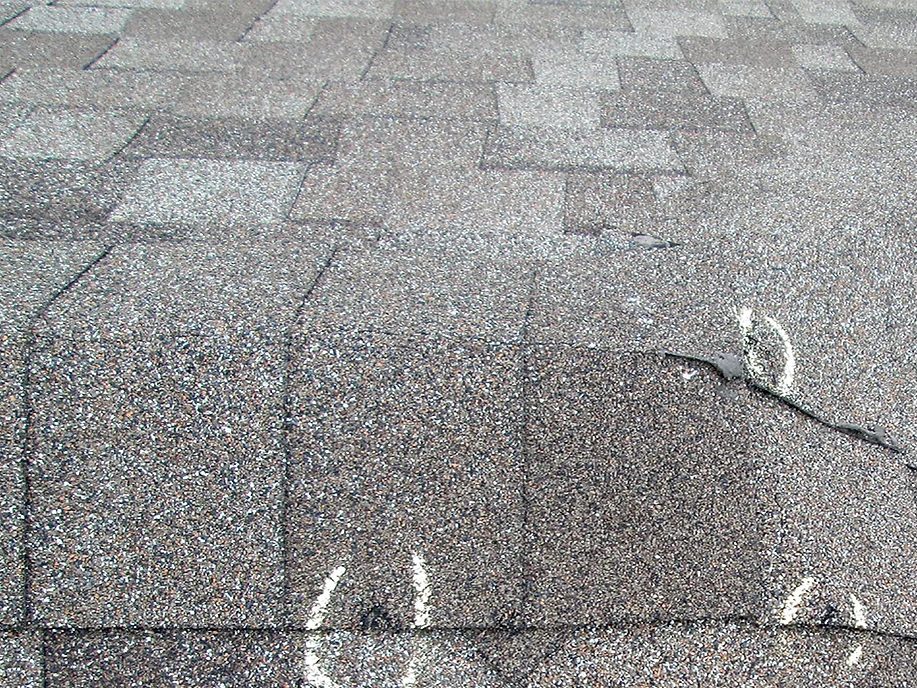
Midwest hail damage · John Beal Roofing since 1947
Roof Claim Supplements And Why The First Check Is Rarely Final
The first estimate is written from one visit, before anything is torn off. What the crew finds under the shingles is a normal, expected second conversation with your carrier.
Short answer
A supplement is a formal request to revise an approved claim scope after work has started or after a closer inspection turns up items the first estimate missed. Rotten or delaminated decking, drip edge, ice and water shield required by local code, pipe boots, ridge ventilation, steep or two-story access charges and material price changes are the usual additions. It is documented with photographs taken during tear-off, a line-item estimate matching carrier pricing, and an explanation of why each item is necessary. Most single-family hail supplements are decided in one to three weeks. It is a scope correction, not a second claim.
What a supplement is, in plain terms
Your carrier approved a number based on what an adjuster could see from the top of the shingles on one afternoon. A supplement is the paperwork that says the job turned out to include more than that, here is the proof, and here is what it costs. It runs through the same claim and the same deductible. Nobody is reopening your file or starting over.
Homeowners hear the word and assume something has gone wrong. On a hail roof it is closer to routine. A roof is one of the few things a carrier prices without being able to look underneath it first.
Why the first estimate comes up short
Three reasons, and none of them mean the adjuster did a bad job. Decking condition is invisible until the shingles come off. Code requirements vary by jurisdiction and a regional estimating platform does not always carry the local amendment. And the adjuster is standing on the roof once, for half an hour, working a queue of storm files.
Material pricing moves too. After a large Midwest hail event, shingle and metal pricing in the affected market can move between the date the estimate was written and the week the job is built. Carriers publish updated pricing for exactly that reason.
The items that show up most often
Decking replacement leads the list. Once the roof is open, boards that are delaminated, water-stained or spaced too wide for current fastener requirements have to be replaced, and that is measured in sheets and documented with photographs of the open deck. Drip edge is next; older Midwest roofs frequently have none, and current code in most jurisdictions requires it. Ice and water shield at eaves and valleys is a code item in the colder half of our territory and is often absent on the original.
Then the smaller ones that add up: pipe boots that crack when disturbed, rusted valley metal, ridge vent where the original had can vents that no longer meet net free area, and access charges on a steep or three-story elevation the estimate treated as walkable.
Documentation is the whole job
A supplement gets approved on evidence and gets denied on assertions. Photographs of the open deck with the damaged sheets visible and countable. A photograph of the eave with no drip edge. The local code section cited by number when a code item is claimed. A line-item estimate written in the same estimating platform and price list the carrier uses, so the desk reviewer is comparing like to like instead of translating.
We photograph tear-off on every hail job for this reason, even on the jobs that never need a supplement. You cannot go back and take that picture after the deck is covered.
How long it takes and who talks to whom
The contractor sends the supplement to the desk adjuster handling the file, not to the field adjuster who came out. On a straightforward single-family hail claim, one to three weeks is typical. A supplement with a code citation or a reinspection request runs longer. Big storm seasons stretch everything, because the same desk adjusters are carrying hundreds of files across several states.
Sometimes a re-inspection is ordered. That is a good sign rather than a bad one; it means the carrier is willing to look.
What a supplement is not
It is not a way to pad a job, and a contractor who talks about supplements as found money is telling you what kind of company they are. Every line has to be necessary and provable. Submitting soft items burns credibility with a desk adjuster who then reads your next twelve supplements differently, which hurts every homeowner we work for after you.
It is also not a reason to sign a blank contract. You should know before work starts what is approved, what we expect to supplement for, and what your out-of-pocket number is if the carrier says no to something.
The homeowner's part
Very little, and that is the point. Keep the paperwork we send you, approve the revised scope when it comes back, and if the carrier calls you directly, answer honestly and refer the technical questions to your contractor. Do not sign a final release of claim until the supplemented work is approved and complete. Once you have signed, the file closes.
One more thing worth doing: keep the photographs. If you sell the house, a documented hail replacement with an approved scope and a workmanship warranty is a real asset at the inspection table.
Where the extra scope usually comes from
Under the shingles
Delaminated or water-stained decking, board spacing that fails current fastener requirements, rotted fascia at the eave.
Code, not preference
Drip edge, ice and water shield at eaves and valleys, ventilation net free area. Requirements differ by Midwest jurisdiction.
Access and pricing
Steep-slope and multi-story charges the estimate treated as walkable, plus published material price updates after a large storm event.
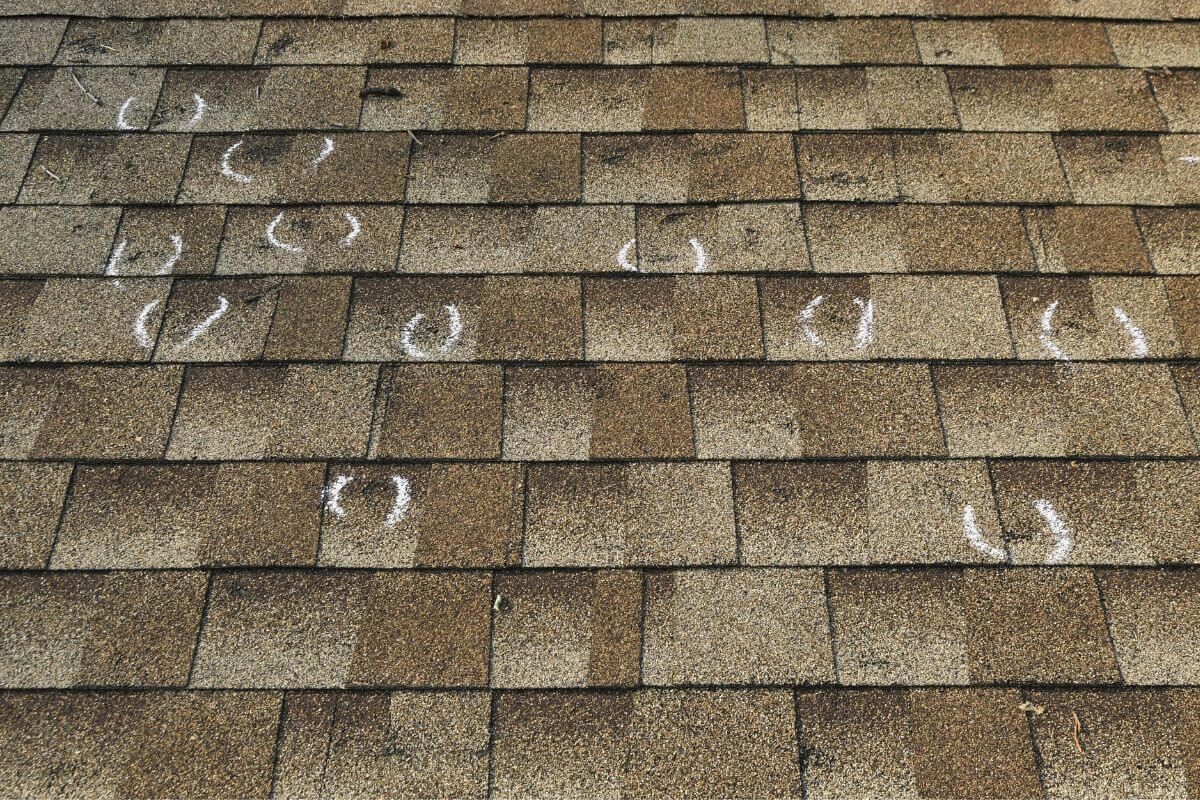
How we file one
Tear-off photographs the same day, a line-item estimate in the carrier's price list, code sections cited by number where they apply, and one document that ties each photograph to each line. It goes to the desk adjuster with a short cover note and we follow it weekly until there is an answer. John Beal Roofing has been a family-run company since 1947 and third generation now, and this is the unglamorous part of the work that decides whether a hail job finishes clean.
Supplement questions from homeowners
Do I have to pay for supplemented work before the carrier approves it?
Can a supplement be filed after the roof is finished?
Does a supplement mean my roofer underbid the job?
Will the carrier approve everything we submit?
How many supplements is normal on one roof?
Related reading
Free Hail Damage Inspection
No cost, no obligation, and you get the photographs either way.
Free inspection, documented for your claim.
One number reaches dispatch for all forty Midwest metros, answered live 24 hours a day.