
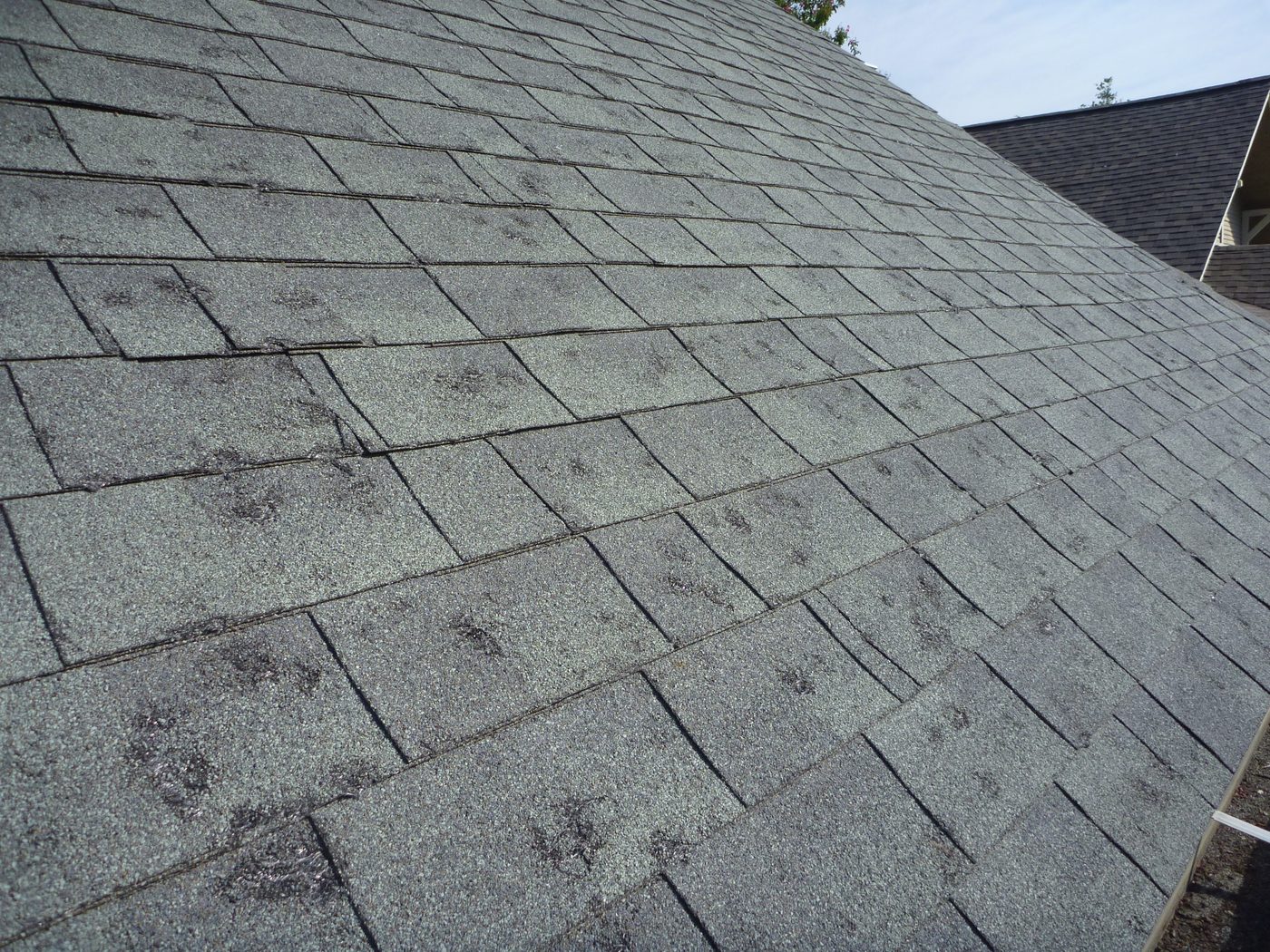
Midwest hail damage · The calendar, honestly
How Long a Midwest Hail Damage Roof Replacement Takes
The install is usually the short part. The weeks before it are where homeowners get impatient, so here's where that time goes.
Short answer
On an average single-family home, tearing off a hail-damaged roof and installing a new one usually takes one working day, and two or three on large or steep roofs or ones with two layers. The longer stretch comes first: the inspection, the adjuster's visit, claim approval, material ordering and a spot on the schedule, which together commonly take several weeks after a big Midwest storm. Weather can push any outdoor step.
The weeks before anyone climbs a ladder
Inspection, usually within days
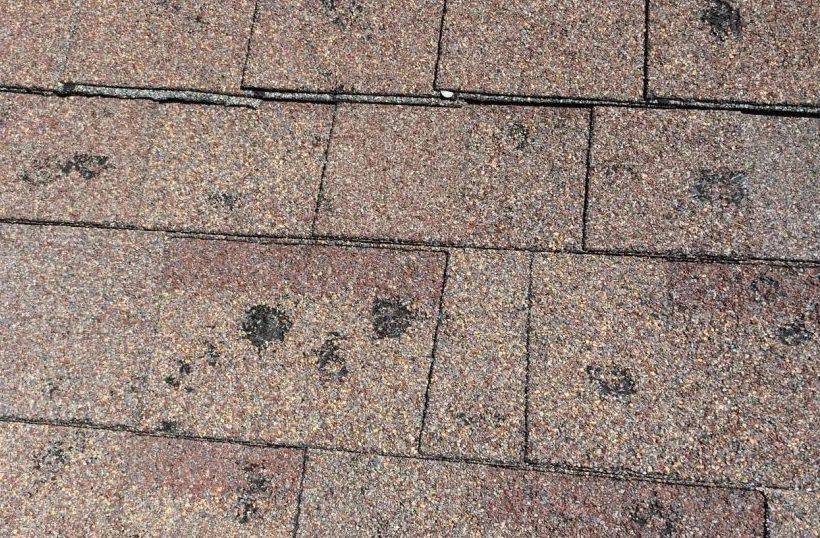
After a storm the roof gets measured and documented: test squares marked, strikes counted, soft metals photographed. That gives you something solid to file on.
Filing and the adjuster visit
Your carrier assigns an adjuster. After a regional hail event every carrier in the area is buried, so this step stretches more than any other. Here's how to get ready for the adjuster's roof inspection.
The estimate and any supplement
The carrier's estimate arrives. If it misses items, a supplement goes back with photos and measurements. That can add a week or two, and it's usually worth the wait.
Material order and scheduling
Once the scope is settled, shingles, underlayment and flashing get ordered in your color. Popular colors can run short after a big storm, which is one more reason to pick early.
Install day, hour by hour
Crews usually arrive early, once the dew has burned off. The first hour is setup: tarps over the beds, plywood leaned over the AC unit if it sits under an eave, a dumpster or dump trailer backed into the driveway.
Tear-off is loud and quick. On a one-layer roof the old shingles and felt can be off a slope in well under an hour. That's when somebody walks the decking. Soft sheets get marked, cut out and replaced before anything new goes down.
Next comes the dry-in. Drip edge first, ice and water shield along the eaves and valleys, synthetic underlayment over the rest. Once a slope is dried in, a rain shower is an annoyance instead of a disaster. Shingles follow, then flashing, vents and pipe boots, with ridge cap going on last.
What adds a day
A second layer
Two layers means double the tear-off and double the weight in the dumpster. Plan on extra hours, sometimes a whole extra day.
Steep pitch
Past about 8/12, everyone is roped off and every bundle is staged by hand. Steep slopes simply take longer per square.
Bad decking
A few sheets is routine. Big patches of rot, or old plank decking that needs sheeting over, eats real time.
Weather
Nobody opens up a roof with a line of storms on the radar. Wind, rain and frosty mornings all push start times back.
Cut-up roofs
Valleys, dormers, skylights and chimneys all slow a crew down. A big, complicated roof can run two or three days.
Other trades
Gutters, siding or skylights on the same claim get scheduled around the roof, never on top of it.
Cold-weather installs in the Midwest
Asphalt shingles rely on a sealant strip that bonds with heat from the sun. On a late-fall or winter install those strips may not grab until spring, so the crew may hand-seal shingles on exposed edges. That's not a reason to leave a hail-fractured roof up all winter. It's a reason the schedule bends around cold snaps.
Our page on winter roof damage covers what freezing weather does to a roof that's already bruised.
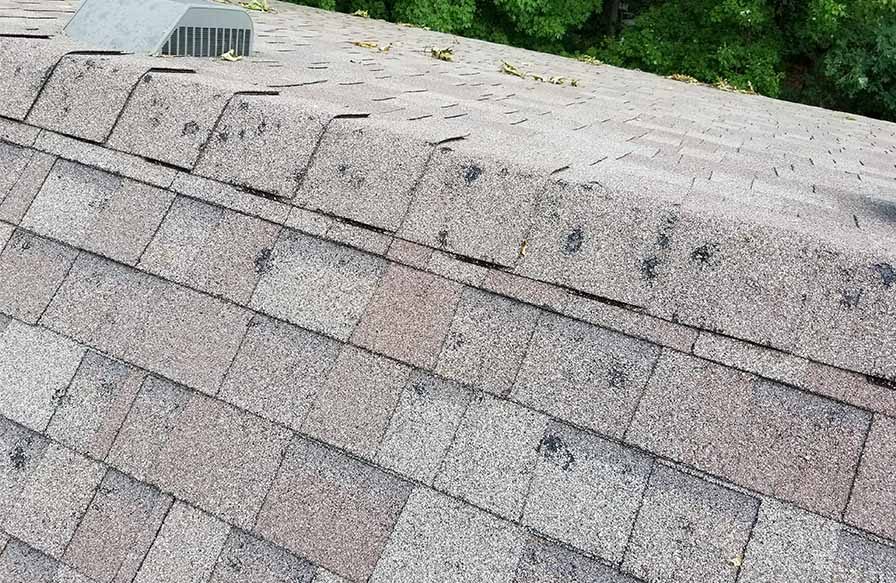
The last hour, and the week after
Cleanup is part of the job. Magnets get rolled over the yard and driveway for loose nails, gutters get cleared of debris, and the dumpster gets hauled off. You get photos of the finished roof.
After that, the paperwork runs on its own clock. If your policy held back depreciation, the final invoice and completion photos go to the carrier so the second check can be released. Our recoverable depreciation page explains what slows that down.
Why the fastest roofer on the block worries us
After a big hail event, out-of-area crews set up in hotel parking lots and promise a new roof by Friday. Speed isn't the problem. Skipping the adjuster, skipping the decking check, or nailing shingles over a wet deck to hit a number is. If a timeline sounds too short, ask which step got dropped. Our storm chaser warning lists the patterns we see most.
The opposite mistake is sitting on it. Most policies set a window for reporting hail damage, and a bruised roof often starts leaking two to five years later as UV and freeze-thaw open the fractures. Check your filing deadline before you let a claim drift.
Who tells you when the date moves
Silence makes any timeline feel longer than it is. Ask whoever you hire how they'll confirm your install date, and who calls if weather pushes it. A start that slides two days because of rain is ordinary. Finding out by watching the street for a truck that never shows is not.
Our phone at 1-800-564-6232 is staffed around the clock, so a schedule question at nine at night reaches a human instead of a voicemail box. If the claim stalls on the carrier's side, we'll tell you where it's sitting and what, if anything, you can do to get it moving again.
Scheduling questions homeowners ask
How long does a hail damage roof replacement take?
On most homes the install itself takes one working day. Large or steep roofs, or ones with two layers, can take two or three. The claim and scheduling steps beforehand usually take longer than the install.
Do I need to be home while the roof is being replaced?
Not necessarily. Someone should be reachable by phone, the driveway should be clear for the dumpster and materials, and pets should be inside or away for the day.
What happens if it rains halfway through the job?
The crew dries in each slope with underlayment before moving on and shouldn't tear off more than it can cover that day. A shower after dry-in usually just pauses the work.
Why is the insurance side taking longer than the roof?
After a regional storm, adjusters carry far more claims than usual. Inspections, estimate reviews and supplements all wait in that line.
Can a roof be replaced in the winter?
Yes, on dry days above the manufacturer's minimum application temperature. Sealant strips may not bond until warmer weather, so some hand-sealing is common.
Pages that pair with this timeline
Free Hail Damage Inspection
No cost, no obligation, and you get the photographs either way.
Free inspection, documented for your claim.
Call one number from any of our forty Midwest metros and a live dispatcher answers, day or night.