
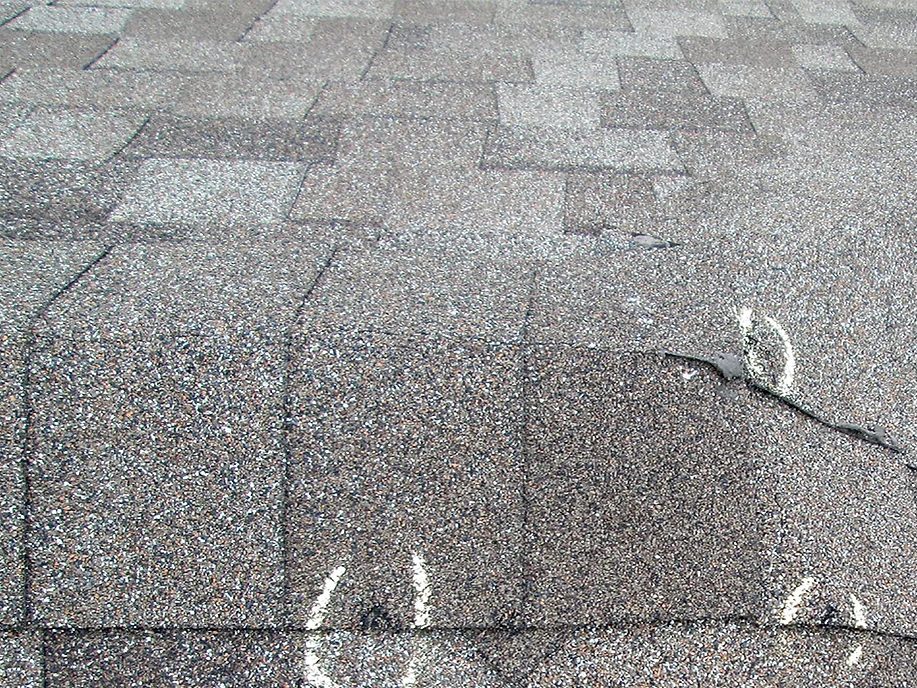
Midwest hail damage · Cost, explained honestly
What a Midwest Hail Damage Roof Really Costs
There's no honest price on a web page. There is an honest list of what moves the number, and you can check every line of it.
Short answer
The cost of replacing a hail-damaged roof depends mainly on its size in squares (one square is 100 square feet), the pitch, how many layers come off, how much decking is rotten, the shingle line you pick and the code items your city requires. On an approved insurance claim, the homeowner's out-of-pocket cost is normally the deductible plus any upgrades the policy doesn't cover. John Beal Roofing gives free, written, itemized estimates so you can see each driver.
Why nobody can quote you over the phone
We get the call every week: how much for a roof? The person asking deserves a straight answer, and the straight answer is that somebody has to measure it first. Two houses with the same footprint can differ by a third in roof area once you count pitch, overhangs, dormers and a detached garage.
Anyone who gives a firm number without measuring is either padding it to cover surprises or planning to find surprises later. Neither one works out for you.
The six things that move a roof price
Squares
Roofers price by the square. Waste gets added on top for the cuts at hips and valleys, so a cut-up roof with lots of valleys burns more material than a plain gable of the same size.
Pitch
Anything steeper than about 8/12 means harnesses, roof jacks and slower going. Fewer squares go down per hour on a steep slope, and that shows up in labor.
Layers
Plenty of older Midwest houses have a second layer nailed over the first. Both come off on a proper replacement, and the extra tear-off and dump weight land on the bill.
Decking
Soft or delaminated plywood can't be seen until the shingles are off. A good estimate prices replacement per sheet in advance. More on our decking page.
Code items
Ice and water shield at the eaves, drip edge and ventilation changes may be required locally. On a claim, whether those get paid depends on your policy's ordinance or law coverage.
Shingle line
Standard architectural, designer and Class 4 impact-resistant lines carry different material costs. The gap is real, but it's almost all material. Labor barely moves.
What insurance usually pays on an approved claim
The carrier's estimate is built from the same drivers above, priced in their estimating software at local rates. If your policy pays replacement cost, you'll usually see the actual cash value first, with depreciation held back until the work is done. Our page on ACV versus RCV walks through how that split works.
What you owe is normally the deductible. That's it, if the scope is right and you don't add upgrades. When the adjuster misses line items like starter strip, ridge cap or code-required flashing, a supplement asks the carrier to add them. You shouldn't pay out of pocket for something the carrier simply forgot to write down.
When your deductible is a percentage
A lot of Plains-state policies carry a wind/hail deductible written as a percentage of dwelling coverage instead of a flat dollar figure. On a home insured for $300,000, a 1% deductible is $3,000. At 2% it's $6,000. Run that number before the adjuster shows up so it doesn't hit you as a shock afterward.
Sometimes the deductible eats most of a small claim. In that case the smart move can be a repair paid directly and no claim at all. If that's what the inspection points to, we'll say so.
The offer that should make you nervous
Any roofer who offers to cover or waive your deductible is proposing insurance fraud in most Midwest states. The carrier pays based on what the roof costs, and the deductible is your agreed share of it. A contractor who swallows it is either inflating the bill to the insurer or cutting corners on your roof to make his numbers work. Our deductible-waiving page goes deeper. Short version: walk away.
How we put a number in front of you
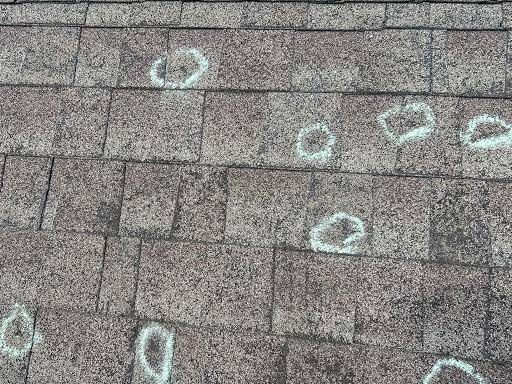
The inspection is free. We measure, photograph every slope, count strikes inside test squares, look in the attic and check the soft metals. Then you get a written, itemized estimate: squares, tear-off, underlayment, flashing, ventilation, a decking allowance and disposal. Each line sits on the page so you can hold it up against the adjuster's sheet or another bid.
We also back the work with our Best Value Promise, worded plainly: we guarantee the best value on your project or we pay you $200. The written terms spell out what counts as a comparable estimate, and we'll hand you a copy.
Things we won't put on your bill
A shingle you don't need
Class 4 shingles carry a UL 2218 rating, and many carriers give a premium credit for them. They still aren't right for every house, especially one you plan to sell next spring. We'll show you the price difference and let you decide. Here's our take on whether Class 4 is worth it.
A paid warranty upgrade
Every roof we install carries a lifetime workmanship warranty plus the manufacturer's standard product warranty. We don't sell extended system warranties as an add-on.
Mystery allowances
If something can only be priced once the old roof is off, the estimate says so and lists the per-unit price up front. You won't meet a new number on install day.
Comparing two bids without getting fooled
Lay the bids side by side and check that they're pricing the same roof. Same squares, same shingle line, same underlayment, same plan for flashing and vents. A bid that's lower because it reuses rusty step flashing or skips ice and water shield isn't cheaper. It's a different roof, and a worse one. Low bids also like to leave decking out entirely and then bill for it on the day.
Get the workmanship warranty in writing too. A long promise means more from a family business three generations deep than from a truck that showed up after the last storm and will leave after the next one.
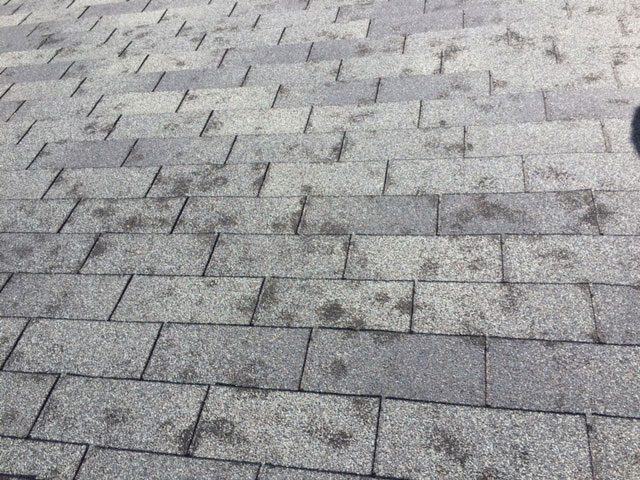
Roof cost questions we hear most
How much does it cost to replace a hail-damaged roof?
It depends on squares, pitch, layers, decking condition, the shingle line and local code items. On an approved claim, most homeowners pay their deductible plus any upgrades they choose. A free measured inspection is the only way to get a real number.
Is paying for a repair cheaper than filing a claim?
Sometimes. If the damage is limited and your deductible is high, a repair paid directly can cost less than the deductible itself. We'll tell you when the numbers point that way.
Do Class 4 shingles cost a lot more?
The difference is in material, not labor, so the jump is smaller than many people expect. Many carriers offer a premium credit for UL 2218 Class 4 roofs, which can offset part of it over time.
Why did the adjuster's estimate come in lower than my roofer's bid?
Usually because line items are missing or priced differently. Starter, ridge cap, drip edge and code items are the common gaps. A supplement with photos and measurements asks the carrier to correct the scope.
Will I have to pay for rotten decking?
Decking that has to be replaced to install the new roof is often included on a claim, depending on the policy. Either way, a good estimate lists a per-sheet price before work starts.
More on this from our guides
Free Hail Damage Inspection
No cost, no obligation, and you get the photographs either way.
Free inspection, documented for your claim.
Call one number from any of our forty Midwest metros and a live dispatcher answers, day or night.