
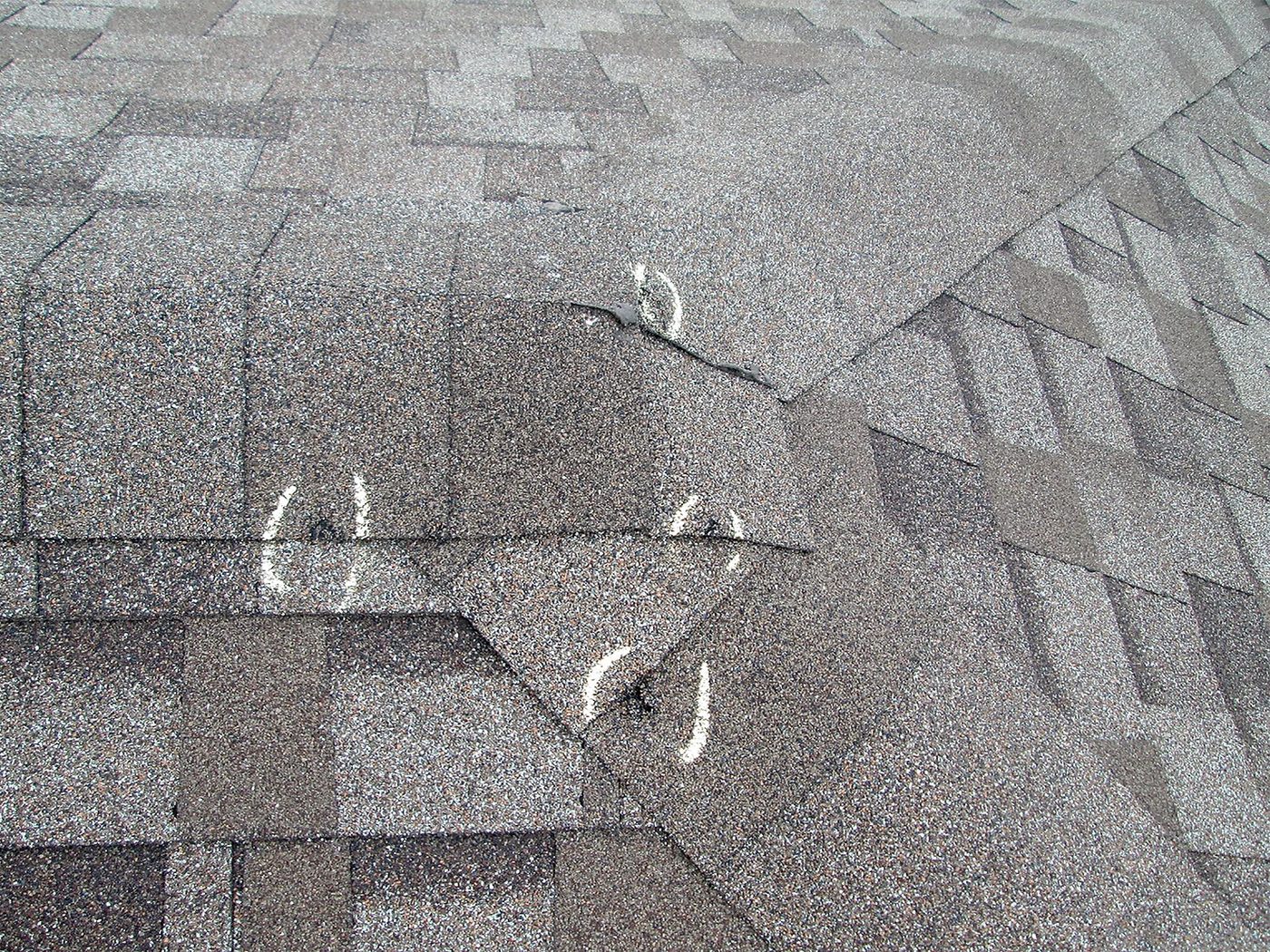
Midwest hail damage · John Beal Roofing since 1947
Are Class 4 Shingles Worth It in Your Market?
The honest answer changes between Wichita and Duluth, and between the family staying twenty years and the one listing the house next spring.
Short answer
Class 4 shingles are usually worth it in the high-hail Plains markets, such as Wichita, Omaha, Lincoln, Sioux Falls and Kansas City, when you plan to stay in the house for several years and your insurer gives a real premium credit for an impact-rated roof. They're hardest to justify in low-hail markets, on a house you'll sell soon, or with a carrier that offers no credit. The cheapest moment to add them is during an insurance-paid replacement, because you only pay the difference in material.
Four numbers settle the question
Most of the debate about impact-rated shingles is noise. Strip it away and you're left with four figures you can actually find.
The first is the upgrade cost for your roof: the per-square gap between a standard laminate and its Class 4 sibling, times the number of squares. That gap moves with the product line and the supplier, so we price both versions side by side on every estimate rather than quote a figure here. The second is the yearly premium credit from your carrier. Ask your agent for it in dollars. A percentage sounds generous until you see what it's a percentage of. The third is how many years you expect to own the house. The fourth, which is the hardest to pin down, is the odds of a damaging hailstorm hitting your address during those years.
Divide the upgrade cost by the annual credit and you get a payback period. If you'll own the house longer than that, the credit alone covers the upgrade, and every hail claim the roof avoids is a bonus.
Market by market across the Midwest
In the Plains corridor, think Wichita, Omaha, Lincoln and Sioux Falls, the case is usually strong. Damaging hail returns often enough that a twenty-five-year roof will probably see more than one serious storm, and carriers in those states tend to price that risk into both premiums and credits. Our page on hail alley covers why this belt gets hit so hard.
The middle band, including St. Louis, Kansas City's Missouri suburbs, Des Moines, Columbia and Springfield, is a coin flip that depends almost entirely on your carrier. One family's insurer offers a meaningful credit and the upgrade pays back in a reasonable stretch. Their neighbor's insurer offers nothing and the math falls apart.
Up along the Great Lakes and in the north woods, places like Duluth or the Cleveland lakeshore, damaging hail is less frequent and the payback gets long. There's one side benefit worth knowing about. Many Class 4 shingles get their rating from rubberized SBS asphalt, which stays more flexible in deep cold than ordinary asphalt does. That's a durability argument, not a hail argument, and we'd weigh it honestly rather than oversell it.
The percentage deductible changes the math
A lot of Kansas, Nebraska and Dakota policies no longer carry a flat wind and hail deductible. They carry one figured as a percentage of the home's dwelling coverage, and on a well-insured house that can run into thousands of dollars per claim. When every hail claim costs you that much out of pocket, a roof that shrugs off a moderate storm and never needs a claim is worth a lot more than the premium credit alone suggests. If your policy works this way, run the payback with the deductible in mind.
Read your policy for a cosmetic exclusion
Some carriers, mostly in the Plains, now attach endorsements that exclude purely cosmetic roof damage or that settle older roofs at actual cash value instead of replacement cost. Neither one makes Class 4 a bad idea, but both change what you're buying. With a cosmetic exclusion, scuffs on an impact-rated roof that didn't break the mat simply aren't paid, which is fair because nothing failed. With an ACV schedule, avoiding claims matters even more, since an older roof pays out less each year. Our page on ACV versus RCV walks through that difference.
Upgrading on an insurance claim, done legally
Insurance replaces what you had. If your old roof was a standard laminate, the claim pays for a standard laminate, and the Class 4 difference comes out of your pocket. Tell us up front so the contract shows the upgrade as its own line, separate from the insurance scope. That paperwork matters. Folding upgrade costs into the claim invoice so the carrier pays for them is fraud, and no reputable roof replacement contractor will offer to do it.
The paperwork that actually earns the credit
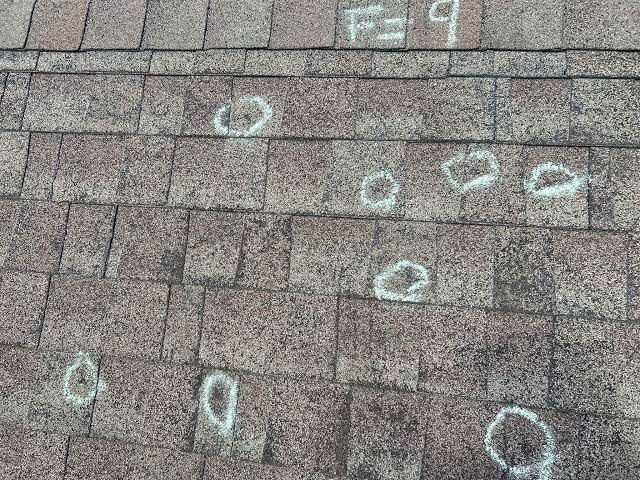
Carriers want proof, not a promise. Save the product name and the UL 2218 Class 4 listing, a bundle wrapper showing the rating, the contract and final invoice, and a few photos of the finished roof. Send them to your agent, ask for written confirmation, and check that the credit appears on your next declarations page. We put that packet together on every impact-rated job. As an Owens Corning Platinum Preferred contractor, we can also register the manufacturer's warranty on qualifying systems.
When we'll tell you to skip it
If you're listing the house within a year or two, the next owner gets the benefit and buyers rarely pay full value for it. If your carrier gives no credit and you live somewhere hail is uncommon, the payback can stretch past the life of the roof. And if the decking is soft or the attic can't breathe, that money belongs there first. An impact-rated shingle cooking over a hot, unvented attic still ages early. We'd rather lose the upsell than sell you something that doesn't pencil out. Comparing products instead? See our rundown of the best shingles for hail.
Class 4 upgrade questions
How big is the insurance credit for a Class 4 roof?
It depends entirely on your carrier and state, and some insurers offer nothing at all. Ask your agent for the dollar amount per year before you decide, since that number drives the whole payback calculation.
Can I upgrade to Class 4 during an insurance replacement?
Yes. The claim pays for a roof like the one you had, and you pay the material difference for the upgrade. It should appear as a separate line on your contract, never folded into the insurance invoice.
Will Class 4 shingles raise what my house sells for?
Nobody can promise that. Some buyers and home inspectors notice an impact-rated roof, and the next owner may be able to claim the same insurance credit with the right paperwork, but it rarely shows up dollar for dollar in a sale price.
Does the detached garage need Class 4 shingles too?
Usually not. Premium credits are typically tied to the main dwelling's roof, so upgrading a garage or shed mostly buys durability. If the garage is getting reroofed with the house anyway, ask your agent whether it changes anything before deciding.
Is a Class 4 roof harder to repair later?
Not really, as long as the repair uses the same product line so the impact rating and appearance hold. Keep a bundle or two from the install in the garage. Call 1-800-564-6232 if a storm ever does get through.
Related reading on impact-rated roofs
Free Hail Damage Inspection
No cost, no obligation, and you get the photographs either way.
Free inspection, documented for your claim.
Call one number from any of our forty Midwest metros and a live dispatcher answers, day or night.