
Midwest hail damage · John Beal Roofing since 1947
Hail Alley and the Midwest Hail Damage Corridor
The country's hail corridor sits just west of us, and its edge runs through the Plains metros we serve. Here's what that means for how often your roof gets hit, and how you insure and build it.
Short answer
Hail Alley is the nickname for the stretch of the central Great Plains that sees damaging hail more often than anywhere else in the country, centered where southeast Wyoming, northeast Colorado and western Nebraska meet and spilling east across Nebraska and Kansas. Its reach carries into the western Midwest: Wichita, Lincoln, Omaha and Sioux Falls sit close enough that homeowners there should expect repeat hail over the life of a roof, not a one-time event.
Where the corridor actually sits
Forecasters use the name loosely, but most of them mean the same ground: the high plains where southeast Wyoming, northeast Colorado and western Nebraska meet, with a long tail running east and south through Nebraska and Kansas. That's the core. The Midwest metros on its edge aren't in the bullseye. They're close enough, though, that big, slow-moving storms born out west regularly arrive overhead still carrying large stones.
Why the high plains grow bigger stones
Elevation does a lot of the work. On the high plains the ground is already about a mile up, so the freezing level sits much closer to the surface than it does over Ohio. A hailstone falling out of a storm there spends less time in warm air and melts less before it lands. Add dry air aloft, Gulf moisture streaming in near the ground and strong afternoon heating, and you get updrafts powerful enough to hold stones up while they grow layer by layer. For a roof, that means fewer pea-sized events and more golf-ball afternoons.
How the risk thins heading east
There's no line on a map where hail risk stops. It fades gradually. Kansas and Nebraska sit at the top of the list in our territory, and Missouri, Iowa and the Dakotas aren't far behind. Illinois, Indiana, Wisconsin and Michigan see damaging hail less often, eastern Ohio less often still. That ranking matters for decisions with a long payback, like impact-resistant shingles. It matters very little on the afternoon a storm parks over your house, because one bad cell is all it takes.
Repeat storms and the second claim
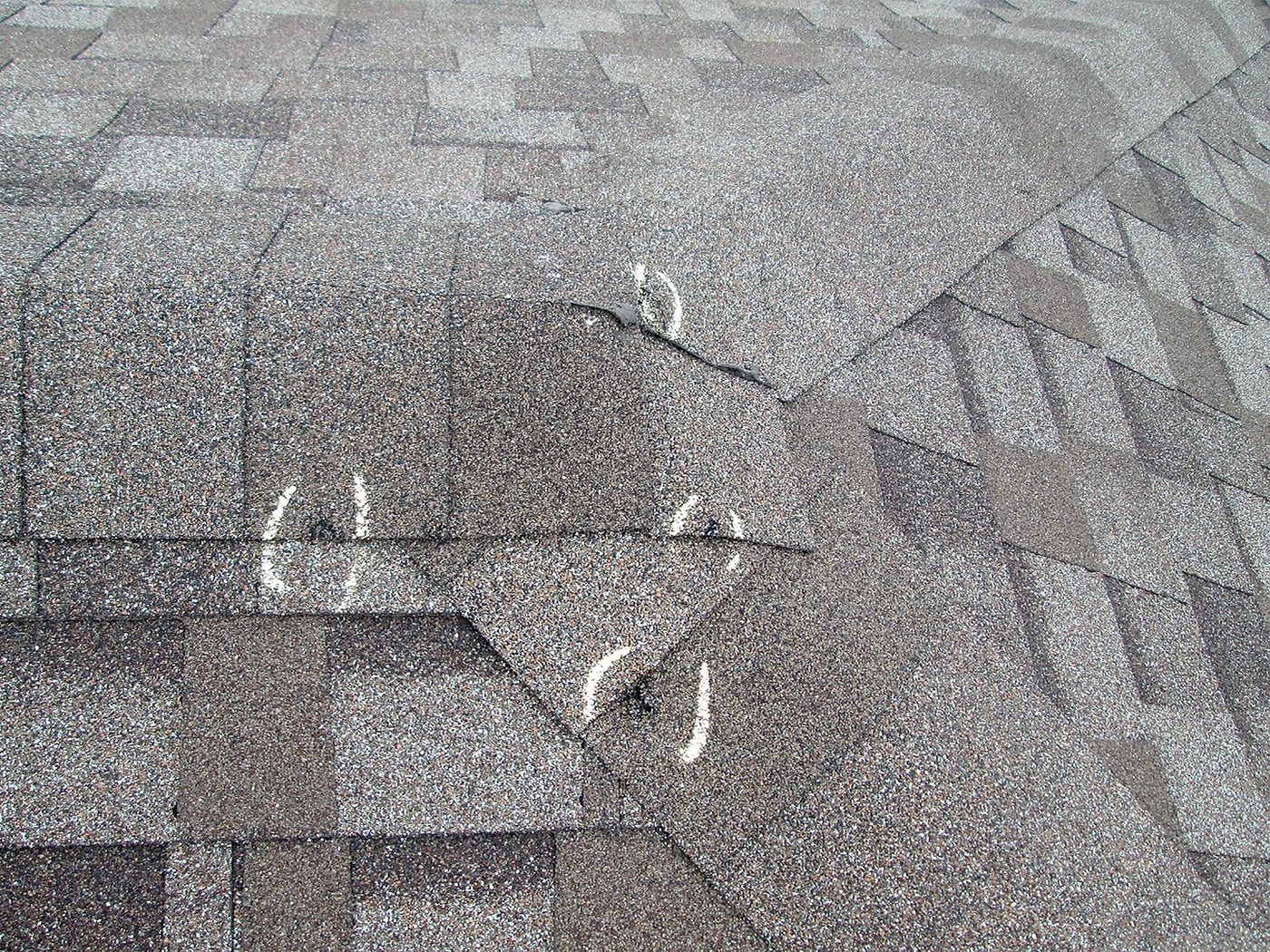
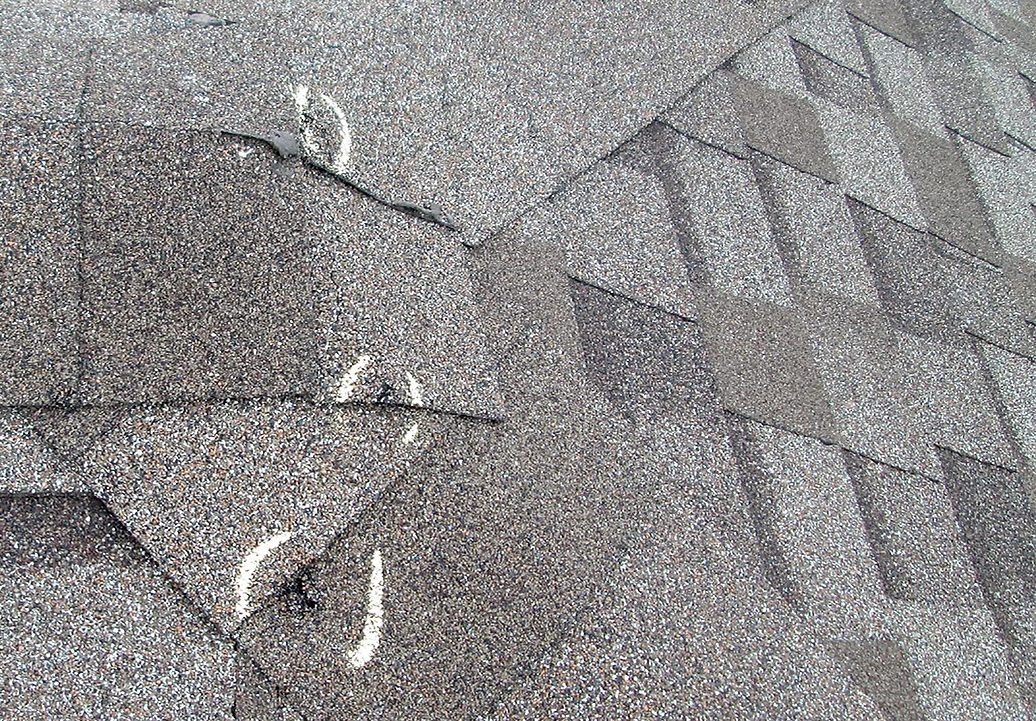
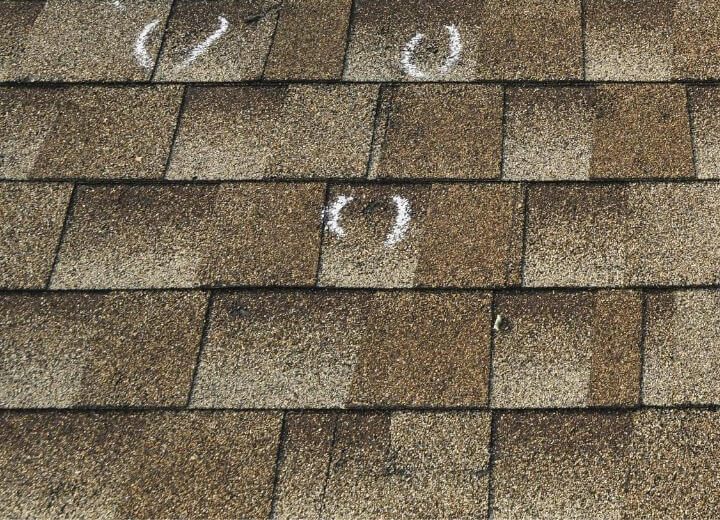
Near the corridor the real headache isn't one storm. It's the second one. If a roof took hail three years ago and nobody fixed it, the adjuster on the next claim will reasonably ask which damage belongs to which date, and old, weathered bruises can't be paid twice. Owners who documented the roof after the first storm, or replaced it, are in a far better spot. A dated inspection file is cheap insurance on your insurance. That's a big part of why we hand over photographs even when we find nothing worth claiming.
The deductible changes in the Plains
Many policies written in Kansas, Nebraska and the Dakotas carry a wind and hail deductible set as a percentage of dwelling coverage rather than a flat dollar figure. On a house insured for $300,000, a 2 percent deductible means the first $6,000 is yours. Owners usually discover that number the day the adjuster shows up, not the day they bought the policy. Pull your declarations page now, while nothing is wrong, and look for the words wind/hail or windstorm. Our insurance claim page explains how the rest of the process runs.
Building for the next storm, not the last one
If you're replacing a roof anywhere near the corridor, this is the conversation worth having. Class 4 impact-resistant shingles carry a UL 2218 rating, and most carriers in the region give a premium credit for them. They aren't hailproof. A big enough stone still breaks them. But they shrug off the mid-size storms that would total a standard architectural roof, and the credit chips away at the price difference every year you own the house. As an Owens Corning Platinum Preferred contractor, we install them often.
Where Class 4 pays and where it's a closer call
In Wichita or Omaha the math usually favors Class 4 within a reasonable stretch of ownership. In Toledo or Youngstown it's tighter, because storms come less often and the credit may take longer to cover the upgrade. If you plan to sell in two years, a standard shingle may be the honest recommendation. We'll run your carrier's actual credit against the quote rather than selling the upgrade by default. Some homeowners hear that and decide not to buy it, which is fine with us.
Gutters, siding and the rest of the house
Large stones near the corridor don't stop at the shingles. Aluminum gutters dent, vinyl siding cracks or punches through on the storm-facing walls, window screens tear, and the metal wraps on trim pick up dimples. Those items belong on the same claim under the same date, and they're easy to forget when everyone is looking up at the roof. We document the whole exterior on every inspection, and our page on siding and gutter hail damage covers how those items get scoped.
Our crews on the western edge
John Beal Roofing has worked Midwest storms out of St. Louis since 1947, and the phone is answered by a live person around the clock. We keep local pages for the Plains markets, including Wichita and Omaha. After a big western storm we stage crews where the damage is, run free inspections in the order calls come in, and move anything actively leaking to the front of the line.
Frequently asked
Is my city in Hail Alley?
The core sits on the high plains where Wyoming, Colorado and Nebraska meet. If you live in central or western Kansas or Nebraska, or around Sioux Falls, you're near enough that storms from the corridor reach you regularly. Plan your roof accordingly.
Does living near Hail Alley raise my premium?
Carriers price wind and hail risk by territory, so homes in high-frequency areas generally pay more for the same coverage and are more likely to carry a percentage deductible. Your agent can tell you exactly how your territory is rated.
Should I replace my roof sooner because I live near the corridor?
No. Replace it when it's damaged or worn out, not because of a map. What changes is the shingle you choose when that day comes, and how fast you get an inspection after a storm.
Are Class 4 shingles required near Hail Alley?
Not on the residential reroofs we do. They're a choice, and the push comes from insurers through premium credits rather than from code. We'll show you the numbers for your policy and let you decide.
What happens if hail hits again before the first repair is done?
Report the second storm as its own loss with its own date. Each event is judged on the damage it caused, which is why dated photos from the first inspection matter so much. Without them the two storms blur together and the carrier can push back on both.
Related reading
Free Hail Damage Inspection
No cost, no obligation, and you get the photographs either way.
Free inspection, documented for your claim.
Call one number from any of our forty Midwest metros and a live dispatcher answers, day or night.