
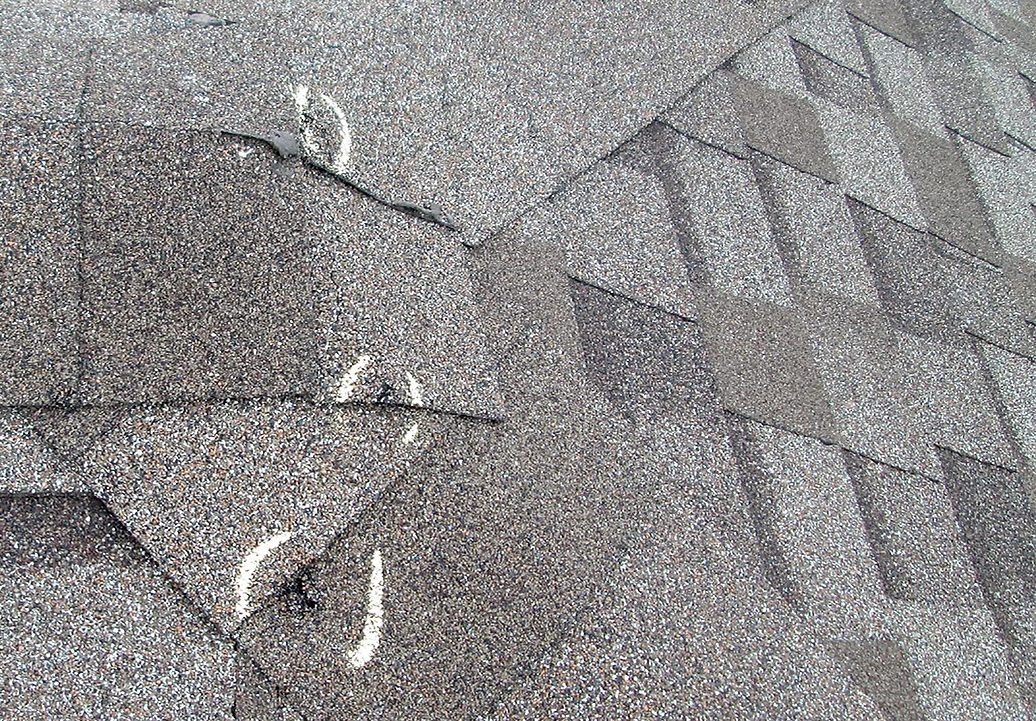
Midwest hail damage · John Beal Roofing since 1947
Shingle And Siding Matching Rules By State
Carriers pay for the damaged slope. The argument is about the three next to it, and the rules change the moment you cross a state line.
Short answer
Matching rules decide whether your carrier has to replace undamaged shingles or siding so the repaired area looks like the rest of the house, and they are set state by state rather than nationally. Some Midwest states require a reasonably uniform appearance for the continuous surface being repaired. Others leave it to the policy wording, which usually promises like kind and quality without promising a match. The practical fight is almost never about the damaged slope. It is about the three undamaged elevations next to it.
The problem starts in the shingle plant
Asphalt shingles are made in production runs, and the granule blend shifts between runs even inside the same product and the same color name. Add ten years of sun on the installed roof and the gap widens further, because the original has faded and the new bundle has not. Put them side by side on the same plane and the repair reads as a patch from the street. That is true no matter how carefully the roofer works, and it is true even when the product code on the wrapper is identical.
Siding is worse. Vinyl color lines get discontinued on a five to seven year cycle, and a profile that was current when the house was built can be gone entirely. Steel and aluminum fade in a way that is nearly impossible to chase with new stock.
Two doctrines, applied differently by state
Insurance departments across the Midwest have taken different positions. One approach treats a continuous surface, meaning an uninterrupted roof plane or an unbroken wall of siding, as the unit that has to look consistent after repair, which puts the burden on the carrier to replace the whole surface when a reasonable match is not available. The other approach reads the policy literally: the promise is to repair with material of like kind and quality, and a shingle from the same manufacturer in the same color line satisfies that whether or not it looks the same after installation.
Your state may sit in either camp, and some have issued bulletins rather than statutes, which carriers treat with varying enthusiasm. Verify the current position with your own state's department of insurance before you argue with an adjuster. A contractor telling you what the law says in your state, including this page, is not a substitute for the department's own language.
Where the argument actually happens
Slope to slope
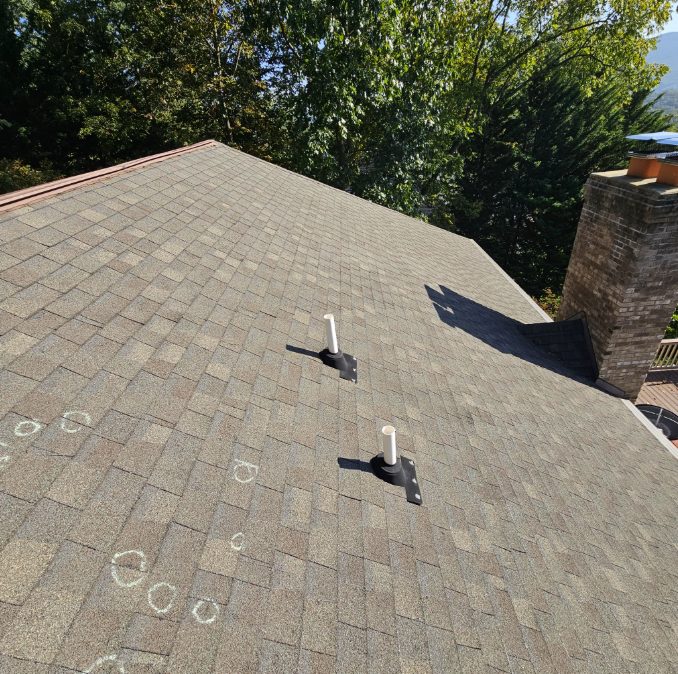
A north slope gets totaled and the other three test clean. Carriers frequently approve the one slope. The counterargument is whether the slopes read as one continuous surface from any normal viewing angle.
Wall to wall
Hail hits the west elevation and leaves the others alone. Siding matching questions almost always come down to whether corners break the surface into separate walls.
Discontinued product
The strongest position a homeowner has. If the original product line no longer exists, like kind and quality cannot be met with anything, and that is documentable rather than aesthetic.
Documentation beats opinion, again
Arguing that a repair will look bad is subjective and adjusters hear it every day. Proving that the original product is unavailable is objective. We pull the manufacturer's current color line, get a written discontinuation confirmation from the supplier where one exists, and photograph a physical sample of the closest available product held against your existing roof or wall in daylight. That package is what moves a carrier, and it is completely different from a contractor's assertion that nothing will match.
Where the product is still made, we photograph a sample board against the weathered original anyway, because a documented color delta is at least evidence. Sometimes it settles the question and sometimes it does not.
Siding, gutters and the rest of the envelope
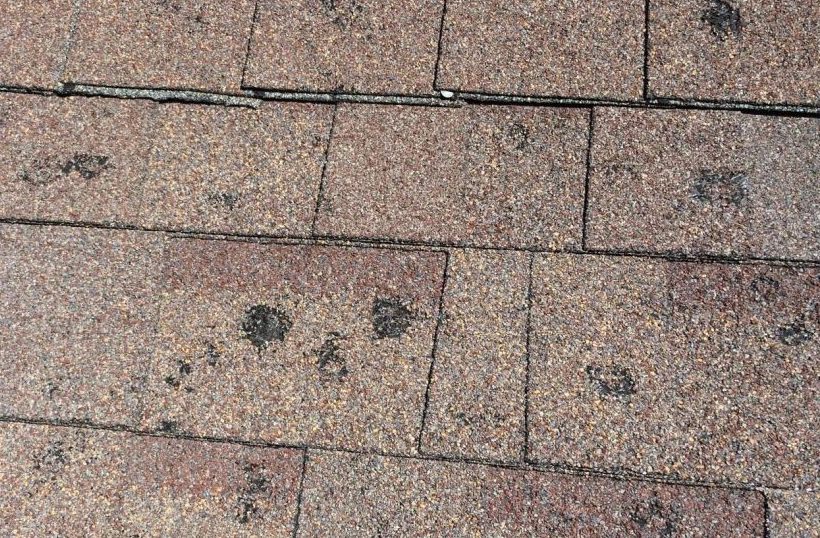
The same storm that bruises a roof dents gutter faces, cracks vinyl in cold weather, splits window screens and flattens condenser fins. Each of those has its own matching question and they get resolved separately. Gutters are usually the simplest, because a run is a run and partial replacement looks obviously wrong. Vinyl siding is the hardest, since a discontinued profile can force a full elevation or a full wrap. We scope all of it in one visit so nothing gets left out of the claim and re-argued six weeks later.
How to raise it without blowing up the claim
Timing matters more than volume. Bring matching up while the scope is being written, not after the check clears, because reopening a settled scope is a supplement and supplements need a reason. Put the request in writing, attach the product documentation, and cite the policy language and the state position by name rather than describing them. Ask the adjuster for their position in writing too. A carrier that has to put a matching denial on paper sometimes reconsiders it.
If the answer is still no and your state's rules appear to say otherwise, the department of insurance complaint process exists and it is free. It does not always change the outcome. It does put a regulator's file number on a claim that was previously a phone conversation.
What we tell homeowners to expect
Some of these get resolved in a phone call and some do not get resolved at all. A roof where three slopes test clean and the product is still in production is a hard matching case in most Midwest states, and we say so up front instead of selling an argument we do not think will land. A house with discontinued siding on the storm-facing wall is a much better case. John Beal Roofing has been handling Midwest storm claims since 1947, and the useful thing we bring to a matching dispute is documentation and a straight assessment of which fight is worth having.
Questions we get asked
Does my insurance have to replace the whole roof so it matches?
It depends on your state's position and your policy wording. Some Midwest states require a reasonably uniform appearance across a continuous surface after repair. Others read the policy's like kind and quality language literally, which a same-line shingle can satisfy even when it looks different.
What counts as a continuous surface?
Generally an uninterrupted plane: one roof slope, or one wall of siding bounded by corners. Where the boundaries fall is exactly what carriers and contractors argue about, since it decides how much material is in scope.
What if my siding or shingle color was discontinued?
That is the strongest matching argument available, because the carrier cannot supply like kind and quality with a product that no longer exists. Get written confirmation of the discontinuation from the manufacturer or supplier and put it in the file.
Can I just pay the difference to replace the undamaged slopes?
Yes, and homeowners do it regularly. The carrier funds the approved scope and you cover the added material and labor for the elevations they declined. Get that split priced in writing before the crew is scheduled.
Is there any way to make a partial repair look acceptable?
Salvaging shingles from an approved slope for the street-facing elevation and putting the new material out of sight is the usual approach. It moves the mismatch rather than removing it, and we will show you where it will show before you decide.
Related reading
Free Hail Damage Inspection
No cost, no obligation, and you get the photographs either way.
Free inspection, documented for your claim.
One number reaches dispatch for all forty Midwest metros, answered live 24 hours a day.