

Midwest hail damage · Read it before you sign
What a Roofing Contingency Agreement Means for Midwest Hail Damage
It's usually one page, and it usually gets signed in a hurry. Here's what that single page actually commits you to.
Short answer
A roofing contingency agreement is a contract saying that if your insurance company approves your hail damage claim, you'll hire that contractor to do the work for the amount the insurer pays, plus your deductible and any upgrades you choose. If the claim is denied, you usually owe nothing. It becomes binding the moment the claim is approved, so sign one only after you've checked the company and seen the inspection photos, and read it for cancellation fees, assignment of benefits language and who controls the claim.
One page, two outcomes
Strip away the letterhead and almost every contingency agreement says the same thing. Denied claim: the deal evaporates. Approved claim: you're under contract with that roofer at the carrier's number. That sounds fair, and often it is.
The catch is timing. People sign these on the porch, before they know a thing about the company, and only learn what they agreed to after the adjuster's check is already in the mail.
Walking one through, start to finish
Picture the usual order of events. The roofer inspects, you sign the agreement, and you call your carrier to open the claim. The adjuster comes out, ideally with the roofer on the roof that same afternoon, and writes a scope. If the carrier approves it, the agreement becomes a contract at that scope's price, and you pay your deductible plus any upgrade you picked.
If the first check comes in light because depreciation is being held back, the roofer still builds to the full approved scope. The remainder usually follows once the job is finished and invoiced. If the carrier says no, you're normally free to walk. That's the whole deal in two paragraphs, and everything below is fine print that can change it.
Clauses worth reading twice
Cancellation fees
Some agreements charge a percentage of the claim, or a flat fee for services rendered, if you back out after approval. Find that number before you sign. Afterward is too late to negotiate it.
Assignment of benefits
An assignment hands your insurance benefits to the contractor so the carrier deals with them directly. It can speed things up. It also takes the claim out of your hands. Some states restrict or regulate these, so look for the word assign and ask exactly what it means in this contract.
Authority to deal with your insurer
A line letting the roofer discuss the claim with your carrier is normal. A line letting them negotiate or settle it is a different animal, and in several Midwest states that's beyond what a contractor may legally do. Our public adjuster versus contractor page explains who's allowed to do what.
Scope and material
If it reads per insurance scope with no shingle line named, you've agreed to whatever the cheapest reading of the estimate allows. Ask for the manufacturer and product line in writing.
The deductible
It should state plainly that the deductible is yours. If it promises to waive, absorb or work with your deductible, stop reading and see our page on deductible waiving fraud.
Getting out of one
Signed at your home, a contingency agreement usually falls under the federal three-day cooling-off rule for door-to-door sales. Some Midwest states go further for storm repair contracts, adding a separate window to cancel after you're notified the insurer denied the claim and requiring that notice to be printed on the contract. A missing cancellation notice is the contractor's problem, but don't build a plan around it.
Cancel in writing, keep a copy, and keep proof of when you sent it. If the agreement came from somebody who knocked on your door, our page on handling a door-to-door roofer walks through the rest.
Why reputable roofers use them too
We don't consider contingency agreements a scam. A roofer who meets your adjuster, documents the roof and writes the supplement puts in real hours before any money changes hands, and the agreement is how they know that work leads somewhere. The trouble is sequence and content.
Sign one after you've chosen the company. Don't sign one to find out whether you should choose them. And if the roofer will be at the adjuster's inspection, it's reasonable to have an agreement in place by then, read and understood.
What partial approvals do to the deal
Carriers don't always approve the whole roof. Sometimes they pay for one or two slopes, or for the soft metals and a handful of shingles. Many contingency agreements bind you to whatever the carrier approves, even if it's a patch job you never wanted. Others let you walk away unless the full replacement is covered. That difference is worth a sentence in writing.
Ask, too, whether the price moves if a supplement gets approved later. On an honest agreement the answer is that the contract follows the approved scope, and you see each revision before work starts.
How our inspection fits in
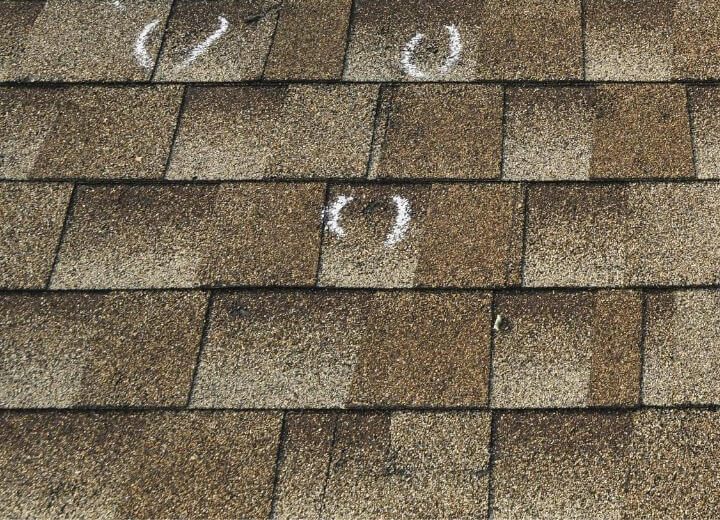
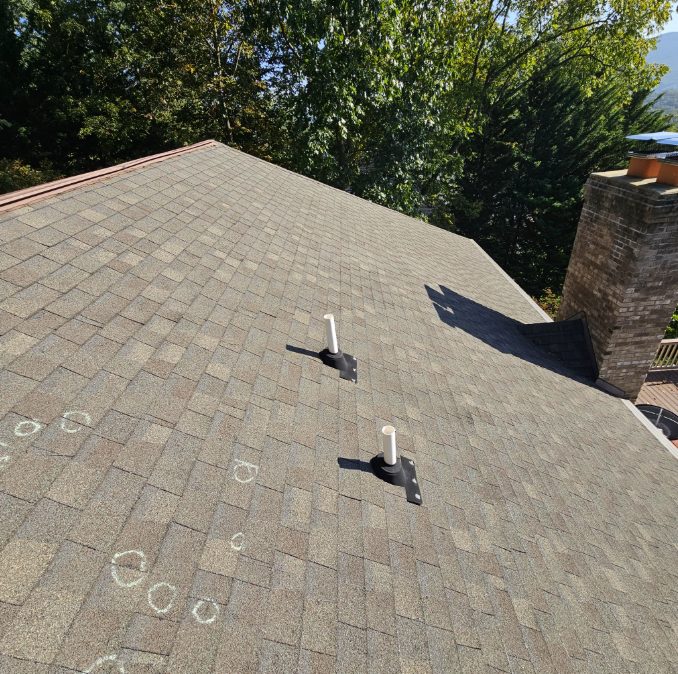
A free inspection from John Beal Roofing carries no obligation. You get the test square counts, the soft-metal photos and a plain answer on whether we think a claim makes sense, whether or not you hire us. If you decide to file and want us there for the adjuster, we'll go over any paperwork with you before anything gets signed.
Comparing companies first? Our questions to ask a roofer cover the rest.
Common questions
Is a contingency agreement the same as a roofing contract?
It turns into one. Once the claim is approved, the agreement typically obligates you to use that contractor at the insured amount, so treat it like a contract from the first day.
What happens if my claim is only partly approved?
That depends on the wording. Some agreements bind you to whatever the carrier approves, even a single slope, while others let you walk away. Get the answer in writing.
Can I switch roofers after signing one?
Possibly, but it can cost you. Cancel inside any legal cancellation window if you can. After that, look for a cancellation fee in the agreement.
Does signing let the roofer file my claim for me?
Filing is the policyholder's job. A contractor can document damage and meet the adjuster, but the claim and the decisions on it stay with you.
Do I need a lawyer to look at a contingency agreement?
For a single-family roof, most people don't. Read every clause and ask until the answers are plain. Bring in a lawyer if it assigns your benefits or carries a large cancellation fee.
Keep reading before you hire
Free Hail Damage Inspection
No cost, no obligation, and you get the photographs either way.
Free inspection, documented for your claim.
Call one number from any of our forty Midwest metros and a live dispatcher answers, day or night.